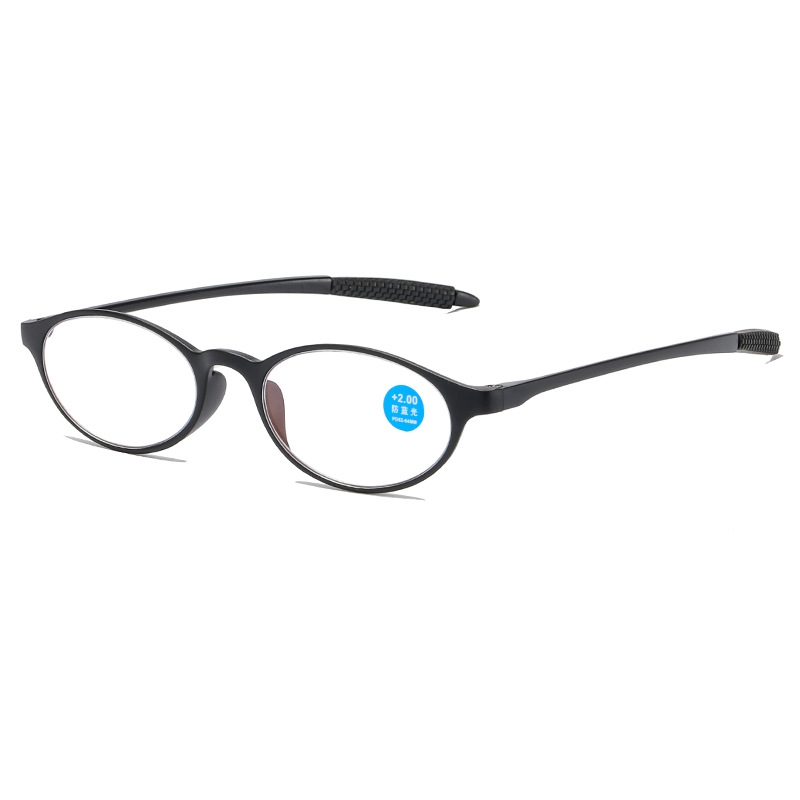
Finding good quality reading glasses can be tricky. I learned this the hard way. Like many of you, I wanted to see clearly without spending a fortune. I also wanted glasses that would last and look good. I made some big mistakes trying to find the perfect pair, like the Retro Sports Reading Glasses New Trend Far Sight Eyeglasses Flexible Ultralight Blue Light Blocking Presbyopia for Men Women 1.0-black-round. But my errors can be your guide!
I get it, we all want to save money. But when it comes to something you use every day, like reading glasses, cutting corners often costs you more in the long run. I'll share my painful lessons so you can make a smart choice the first time and get truly good quality reading glasses.
This was my first and biggest mistake. I saw reading glasses for a few dollars online and thought, "Why not?" I figured they all did the same job. Boy, was I wrong. The lenses were blurry, the frames felt flimsy, and they broke in weeks.
I remember one pair. The listing looked okay, but when they arrived, the plastic felt brittle. After just a few days, one arm snapped right off when I took them off my face. Another pair gave me headaches because the lenses weren't truly clear. They had weird distortions that made reading harder, not easier. I thought I was saving money, but I just bought a bunch of junk I couldn't use.
Verdict: Don't fall for super low prices. Cheap reading glasses often mean bad lenses and weak frames. They won't last and might even hurt your eyes. Invest a little more for better quality.
When I finally stopped buying the absolute cheapest, I still didn't know what to look for. I'd pick glasses based on looks alone, ignoring important signs of quality. I didn't check for things like flexible frames or blue light blocking features.
For example, I once bought a pair that looked stylish. But the plastic was stiff. Every time I adjusted them on my face, I worried they would snap. They also pressed uncomfortably behind my ears. I didn't even think about lens quality beyond "can I read with them?" I didn't realize that some lenses offer blue light protection, which is a big deal when you spend hours looking at screens. My eyes felt tired and strained after using these "okay" glasses for a while. I thought eye strain was just part of getting older. Learn from me; it was the poor quality glasses!
Verdict: Look for key features. Good quality reading glasses should have flexible, durable frames and clear, often blue light blocking, lenses. These features make a huge difference in comfort and eye health. Don't make my error.
I used to just glance at the star rating and move on. Big mistake! A 4-star rating doesn't mean much if all the detailed reviews talk about how uncomfortable the glasses are or how quickly they break. I ignored the comments that mentioned the actual product looking different from the ad pictures.
One time, I bought a pair that had a decent average rating. But if I had actually read the reviews, I would have seen many people complaining about the arms being too short or too tight. Several users posted photos showing how cheap the hinges looked up close, even though the main product picture hid this. I ended up with glasses that pinched my temples and slid down my nose constantly. It was annoying and distracting. I learned the hard way that a few glowing reviews can hide many bad experiences if you don't dig deeper.
Verdict: Always read detailed reviews. Pay special attention to comments about comfort, durability, and whether the product matches the photos. Real user photos are gold!
Online ads are great at making products look amazing. I often bought into the hype without questioning it. Flowery descriptions about "premium materials" or "cutting-edge design" sometimes meant nothing in reality. I fell for clever marketing more than once.
I remember an ad that showed super flexible glasses bending in all sorts of ways. The description promised "unbreakable" frames. They looked perfect! But when my order arrived, they were nowhere near as flexible as the video suggested. They felt stiff, and I was scared to even try to bend them much. The "premium anti-scratch coating" also seemed to scratch easily just from wiping them with a cloth. It was a classic case of what you see isn't what you get. Don't make my error; ads can be misleading.
Verdict: Be careful with flashy ads. Don't let marketing jargon trick you. Focus on real product features and user experiences, not just pretty pictures or big promises.