I used to believe many things about bifocal reading glasses. You know, the kind of glasses that help you see both near and far? Here's the truth. Many people fall for common lies. These lies can stop you from finding the best glasses for your eyes.
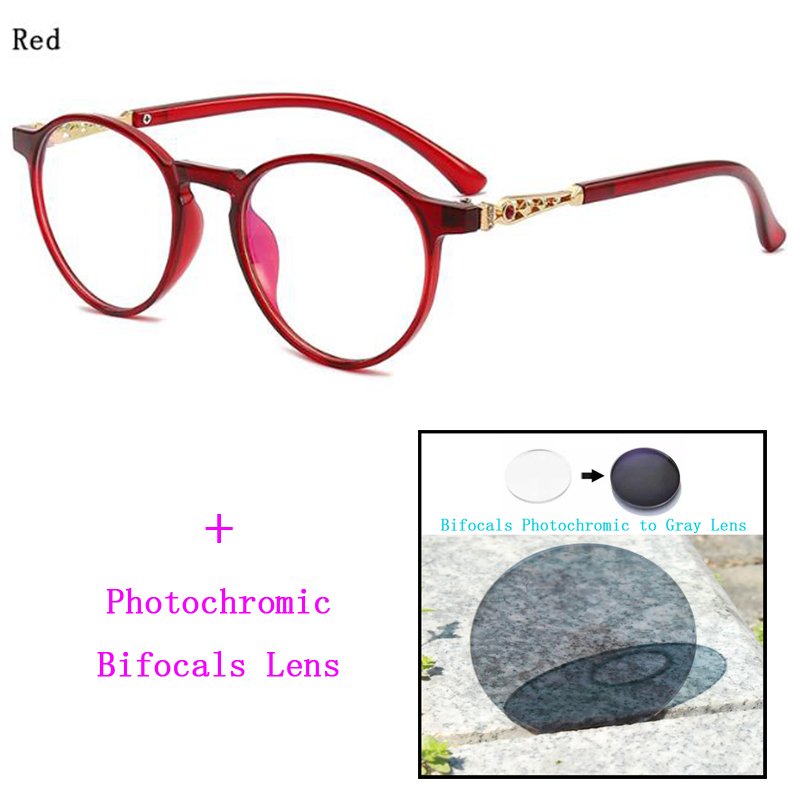
But don't worry. I'm here to set things straight. We will look at what people often get wrong. We will also see how smart choices can lead you to a product like Mozaer's TR90 Women Photochromic Bifocals Reading Sunglasses. These glasses are for looking near and far. They are also shades for the sun. They act as presbyopic glasses and magnifier travel glasses.
Many people think bifocal reading glasses are bulky. They believe these glasses will slide down your nose. They also think bifocals look outdated. This idea comes from old designs. Older bifocals often had thick frames. They were not made for style or light weight.
What the low-rating reviews imply:
Let me tell you the truth: Modern bifocal reading glasses are very different. Companies now use new materials. These materials make glasses light and strong. For example, TR90 is a special material. It is flexible and super light. Glasses made with TR90 frames fit well. They are also very comfortable. They do not pinch or feel heavy. Plus, designs have changed a lot. You can find many stylish options now. You don't have to pick between comfort and looking good.
Here's what they don't tell you: Comfort and style go hand-in-hand with quality materials. A good pair of glasses should feel like you're barely wearing them. They should also match your personal look. Look for frames made from materials like TR90. This shows a focus on wearer comfort and modern design.
Verdict: Do not settle for uncomfortable or ugly bifocals. Look for glasses with light, flexible frames. Make sure they fit your face shape and personal style.
Many first-time users worry about bifocals. They hear stories about a "jump" in vision. They worry about dizziness or headaches. People think their eyes will struggle to switch between near and far. This can be true if the lenses are not made correctly. Or if the wearer tries to adapt too quickly without patience.
What the low-rating reviews imply:
Let me tell you the truth: While there is an adjustment period, quality bifocal lenses reduce these issues greatly. Good lenses have a smooth transition zone. This means your eyes can switch focus easily. High-quality lenses also have clear vision zones. This stops blurriness and strain. The key is to get good quality lenses and give yourself time. Your brain needs time to learn how to use the different parts of the lens. Start by wearing them for short times each day. Slowly increase how long you wear them.